teaching.
-
![]()
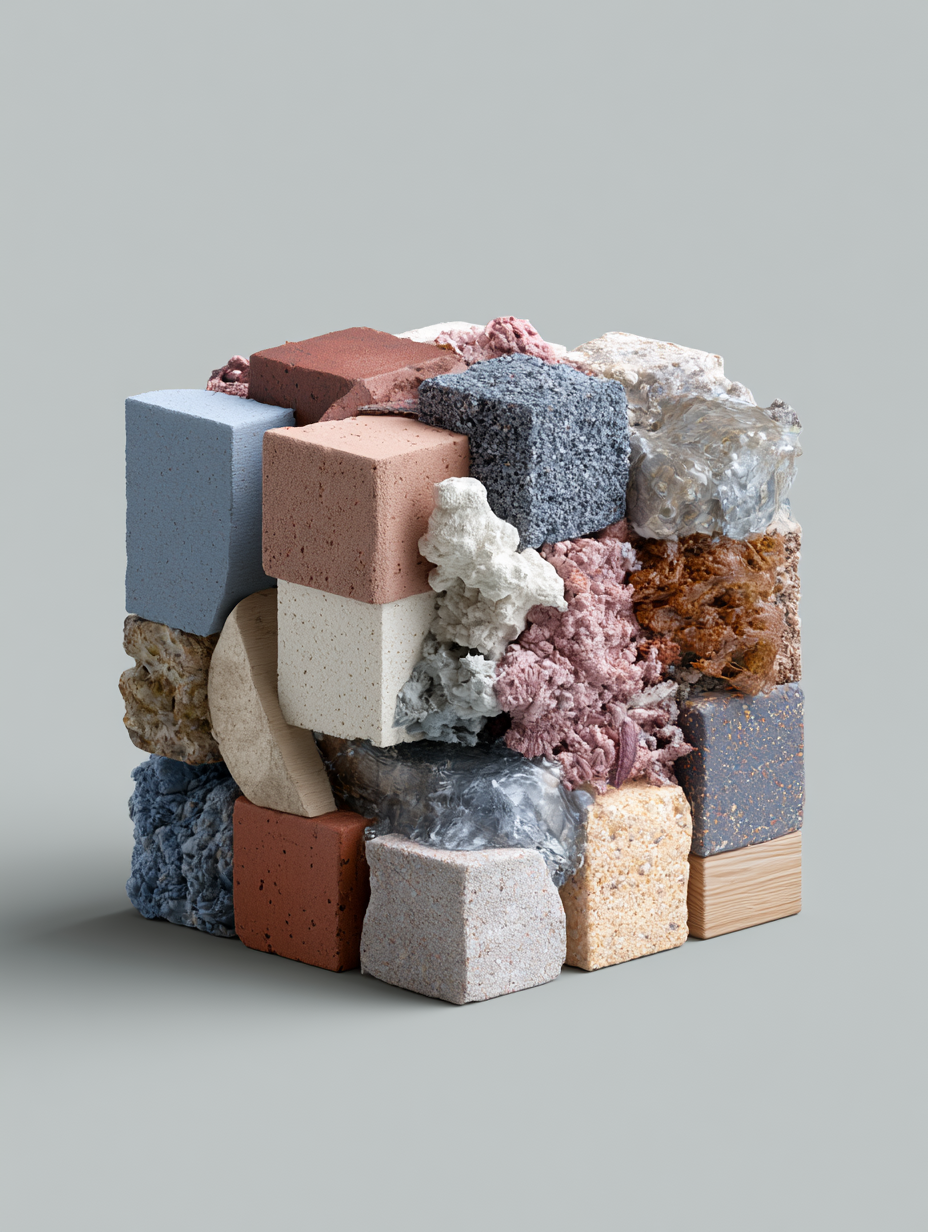
Future Materials
Coburg University | Bachelor Product Design & Interior Architecture 3rd–7th semester
2 SWS | 4 ECTS | 15 students
summer semester 2019 & winter semester 2019/2020Future Materials provides future designers and interior architects with in-depth knowledge of material design and manufacturing processes. Key topics include fundamentals of material design, sustainability and material life cycles, critical reflection on manufacturing methods, experimental material design, the development of material prototypes, as well as trend and material research. The course also included an excursion to a manufacturer for toy production.
Students are expected to discover innovative materials, understand new manufacturing processes, develop creative approaches, and independently translate material concepts into forward-looking product applications.
-
![]()
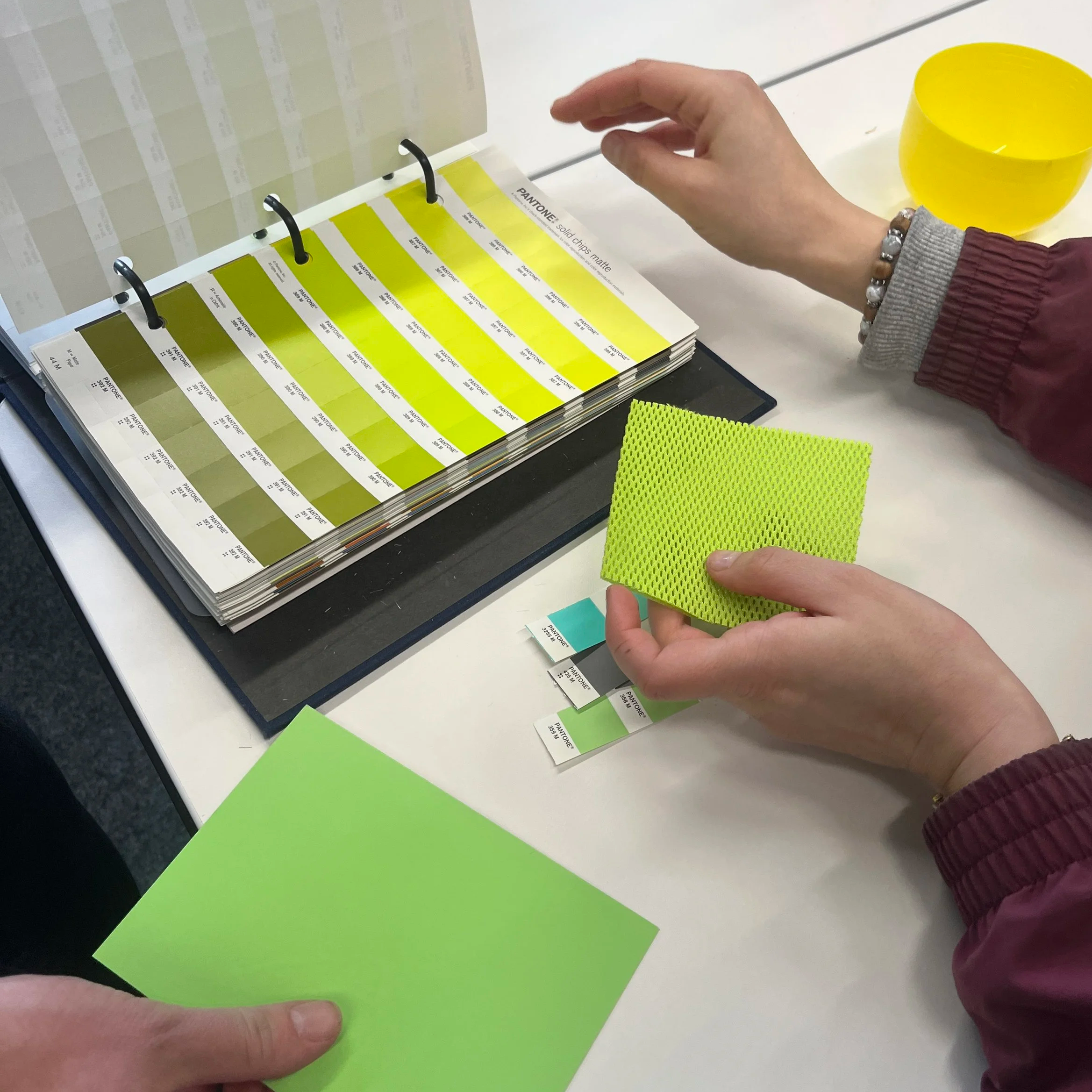
CMF Design Basics
Reutlingen University | Bachelor TID, 2nd semester
2 SWS | 3 ECTS | 15 students
summer semester 2022The course provides students with knowledge of materials, components, manufacturing processes, and construction techniques. In addition, students begin to engage with the aesthetic qualities of material, texture, and color, understanding them as design tools. They learn to relate materials to components, manufacturing processes, and construction methods, as well as to apply relevant standards and norms.
Students are able to systematically translate materials, components, and processes into component geometries. Material, texture, and color are understood as design tools, and students are enabled to discuss technological aspects in an interdisciplinary context.
-
![]()
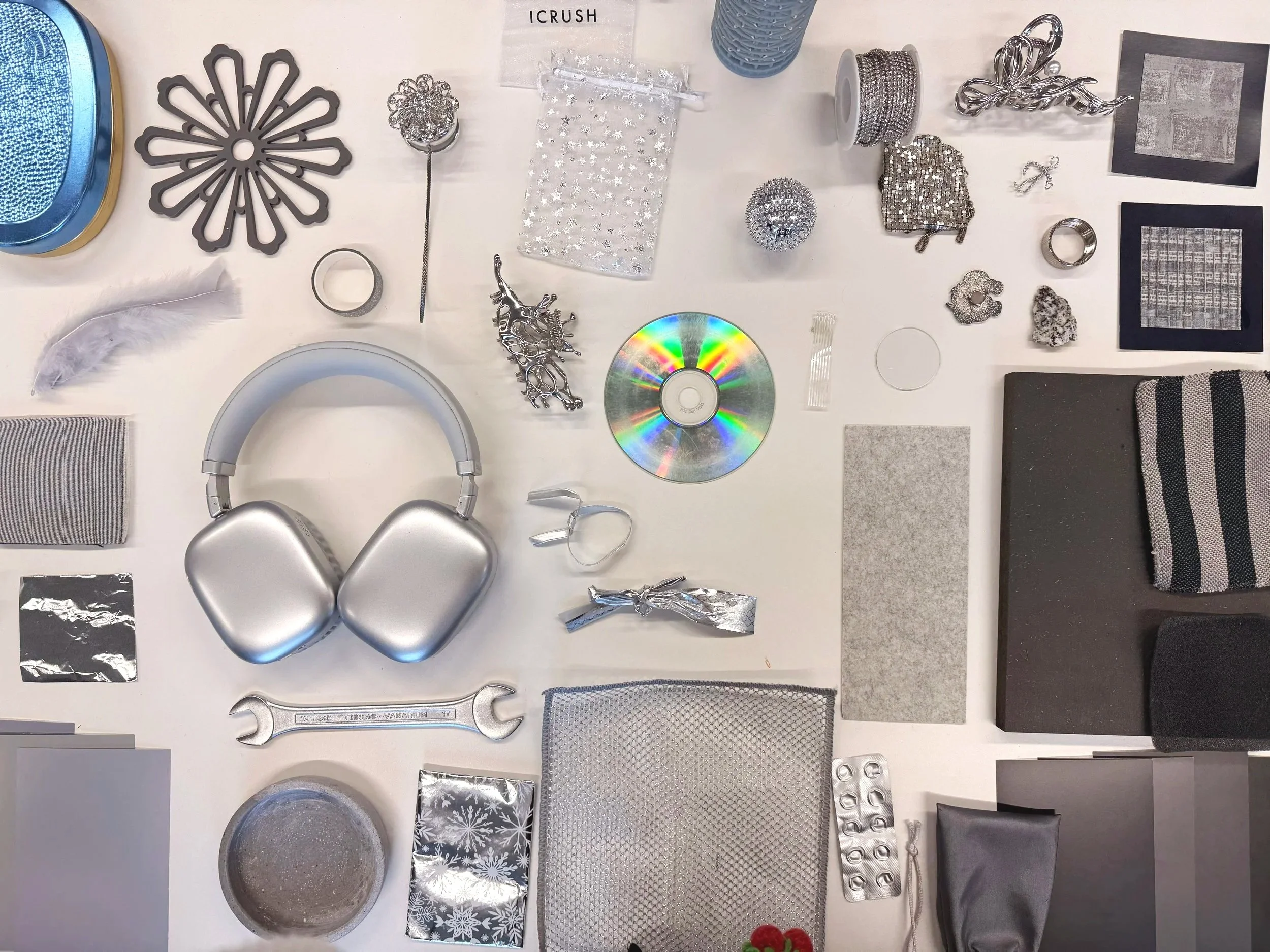
CMF Design Lab
Reutlingen University | Bachelor TID, 4th semester
4 SWS | 5 ECTS | 6 students
summer semester 2022This course focuses on the design and material-technical development of projects from initial conceptual elaboration through to media-based presentation. Key areas include research, exploration, visualization, the realization of physical material and surface models, material-technical evaluation, as well as advanced digital representation techniques. In addition, the course introduces methods of media communication and the publication of design work.
Upon completion of the course, students are able to develop their design projects in a holistic and interdisciplinary manner. They can select and apply appropriate visualization and representation methods in a targeted way and implement their concepts in a well-founded manner in terms of design, material technology, and media communication.
-
![Design Strategy & Innovation Management]()
Strategy & Innovation Management
Hof University | Master’s Program in Textile Design, 2nd semester
4 SWS | 5 ECTS | 5-15 students
winter semester 2025/2026 & 2026/2027This course introduces fundamental concepts of innovation management as well as the strategic role of design in the context of corporate objectives, brand development, and user experience. Students are familiarized with key innovation processes—from briefing and project planning to ideation and conceptual implementation—and apply these within design-driven projects.
Upon completion of the course, students understand the essential principles of innovation management and the relationship between design strategies and business objectives. They are able to plan design projects in a structured way and develop them on a strategically sound basis.
-
![]()
Design & Mobility
Hof University | Bachelor Design & Mobility, 4th semester
4 SWS | 5 ECTS | 14 students
summer semester 2026The course module color & trim introduces theoretical foundations of digital colour and material design in automotive interiors, focusing on colour principles, material perception, and their application in contemporary vehicle design. Students apply this knowledge in project-based work by developing colour and material concepts and variants for automotive interior contexts. Design outcomes are communicated both virtually through digital simulation tools and physically through material collages, enabling exploration of visual and tactile qualities. The course is complemented by excursions to Novem, an automotive supplier, and a tannery, offering insights into industrial processes and material production.
-
![]()
CMF Design Sessions
Umeå University | Transportation Design, Hildesheim University | Color Design
As an external expert, I have been invited to share insights from my professional practice, present examples from my career, and engage students in dialogue by providing opportunities for exchange and questions.
-
![]()
Guest critique: Aquaria
Coburg University | Bachelor Architecture
Final thesis project | 33 students
summer semester 2026Transformation of an indoor swimming pool into a space for youth culture.